When the Walls Are Thin: Discreet Live-Cam Viewing in UK Shared Homes
Living in a UK house share often means negotiating space, sound and time alone. For adults who enjoy live-cam entertainment, the practical question is not whether privacy matters, but how to protect it without exposing flatmates, partners or family to choices that are not theirs to see. KembleCam's editorial position is consent first: consent from performers, consent from viewers, and respect for the people who share a home. This guide is written for adults aged 18 or over and assumes that age assurance, where required, is handled personally and responsibly.
Begin with the room, not the website
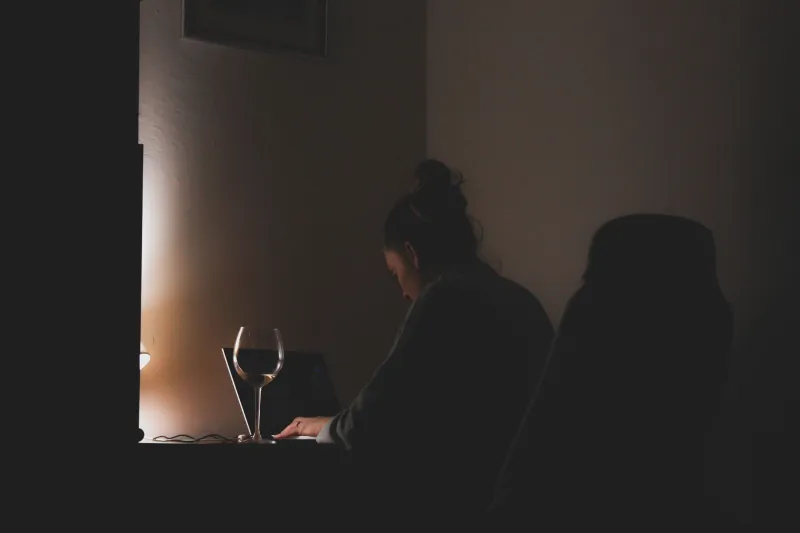
Discretion starts before a browser is opened. A shared home has sightlines, sound leakage and traffic patterns. The most effective privacy measures are ordinary and unglamorous: a decent pair of closed-back headphones, a screen angle that faces a wall rather than a doorway, and a chair positioned so that a passer-by cannot see the display. A privacy filter is a sensible addition for laptops used in communal areas, but it is not a substitute for choosing the right room at the right time.
Door routines matter more than elaborate technology. A simple household signal, such as a closed door plus headphones, can communicate private time without announcing its content. If a flatmate knocks, answer briefly and normally; there is no obligation to explain what you are watching. The aim is to create a predictable boundary, not a performance of secrecy. In a house share, predictability is a courtesy: it tells others when a room is occupied and when it is not.
Devices that keep their own counsel
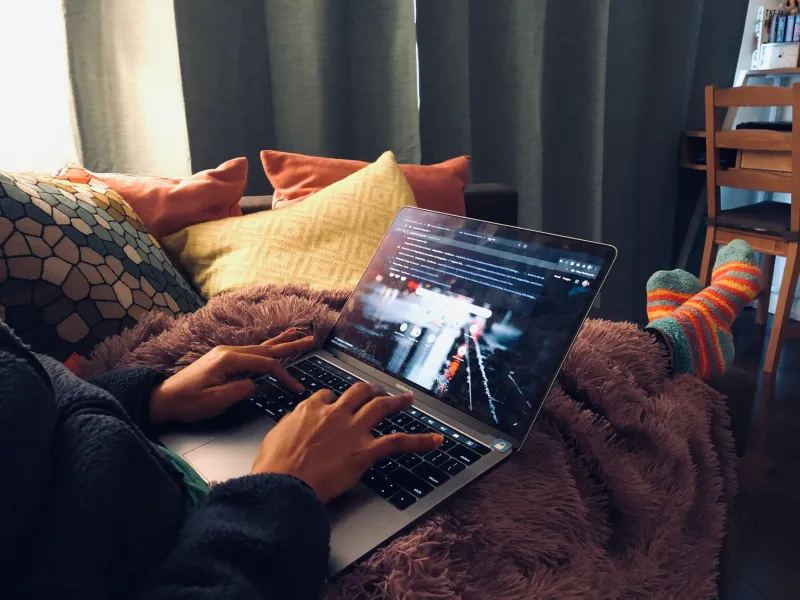
A shared laptop is not a private screen. Where possible, use a personal device for age-gated viewing, and keep that device locked when unattended. Separate browser profiles can help to keep history, autofill and notifications from spilling into a shared account, but they are not a security guarantee. Sign out of accounts on shared machines, disable lock-screen previews, and avoid casting to a communal television. If a device is used by others, treat its screen, speakers and notifications as public-facing by default.
Payment details deserve the same care. Age assurance and billing should be personal, not attached to a household account. A viewer should not use a flatmate's card, streaming account or email address, even with permission, because it muddies consent and creates avoidable friction. Keep receipts and account settings private, and review them on a device that others do not use.
Broadband is shared; accounts need not be
Shared broadband is a utility, not a permission slip for shared identities. Viewers should avoid changing router settings without the household's agreement; if a guest network already exists, ask before using it. Bandwidth is also a shared resource, so heavy streaming at peak times can affect others. The considerate approach is to treat the connection as communal infrastructure while keeping personal accounts and devices separate.
This is also a data-hygiene issue. A shared home often means shared cloud storage, shared photo libraries and shared password managers. None of those should hold adult viewing history or payment credentials that another resident could stumble across. Use a personal password manager, enable device locks, and keep sensitive bookmarks out of shared browser profiles. Discretion is not about hiding evidence for its own sake; it is about ensuring that other people are not made incidental participants in private choices.
Agree the norm, not the secret
House norms work best when they are general rather than confessional. A short conversation about private time, headphone use and door signals can be far more effective than a rule that nobody understands. For example, a household might agree that a closed door means knock first, that headphones are used for personal audio in shared rooms, and that late-night viewing should not be audible through walls. These are ordinary privacy norms, not an invitation to disclose content.
There is a meaningful difference between discretion and secrecy. Discretion respects other people's boundaries; secrecy often hides a behaviour that would not survive scrutiny. If a viewer would be uncomfortable explaining a habit to a flatmate, that is a signal to change the habit, not to become better at concealment. Consent-first viewing means that nobody in the household is exposed to adult material without their knowledge, and that performers are treated as people whose boundaries matter.
A short house-share checklist
- Use headphones that limit sound leakage, and test the volume from outside the room.
- Angle screens away from doors and walkways; use a privacy filter where appropriate.
- Agree a simple door signal for private time, and keep explanations brief.
- Keep age-gated viewing on a personal device with a lock screen and private notifications.
- Do not use shared payment methods, shared email addresses or another resident's account.
- Keep viewing history and bookmarks out of shared browser profiles and shared cloud storage.
- Respect quiet hours and shared bandwidth, especially in smaller flats.
- Remember that performers are consenting adults, not content to be demanded from.
In a shared home, privacy is not a luxury; it is part of living well with other people. KembleCam's view is that discretion should be calm, practical and consent-centred. A closed door, a pair of headphones and a clear household norm will do more for privacy than any amount of improvisation at midnight.