The Morning After the Tip: Alcohol, Impulse and Clear Consent in Live-Cam Viewing
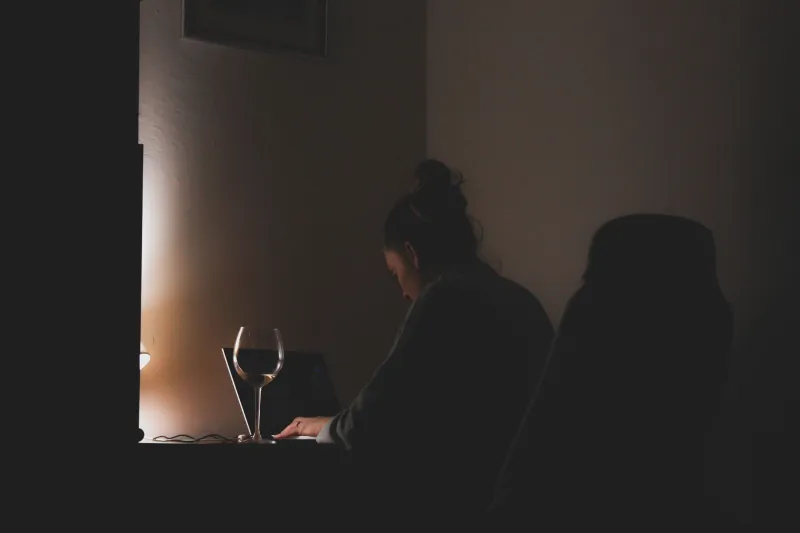
Late-night viewing and a drink are not a scandalous combination. In the UK, a glass of wine after the pub, a can on a Friday night or a nightcap during a difficult week is ordinary enough. The concern is not alcohol itself, but the way it can loosen the checks that make adult live-cam viewing respectful in the first place. In 2026, with age-gated platforms, instant payments and private chat functions operating in the same pocket-sized device, the distance between a passing thought and a sent request is very short. That is why consent-first viewing needs to include a sober second thought.
This is an opinion piece, not a clinical or financial advisory. It does not argue for abstinence, and it does not treat every late-night tip as a mistake. It argues for something simpler: clear-headed choices should come before impulse, especially when another person's boundaries are involved. KembleCam's editorial perspective is consent first, and consent is not only a legal or platform requirement. It is a habit of mind that becomes harder to maintain when judgement is clouded.
The difference between relaxed and unclear
A drink can make a viewer feel relaxed, generous or adventurous. None of those feelings is inherently a problem. The problem is when relaxation becomes a reason to skip the ordinary checks: Is this performer clearly consenting? Is this request within the boundaries they have set? Am I spending money I had planned to spend? Would I make this request in daylight, to a person I respect?
Alcohol lowers inhibition, and inhibition is not only a social inconvenience. It is part of how people recognise limits. Late-night impulsivity can turn a consensual exchange into a pressure-filled one, not because the viewer intends harm, but because the viewer has stopped checking. A tip does not buy a specific act. A private message does not create an entitlement to a response. A performer's consent is ongoing, specific and revocable, and no amount of drink changes that.
Questions to ask before the next tap
A sober second thought can be brief. Before sending a request, a tip or a message that feels unusually bold, ask:
- Am I clear about what I am asking, and why?
- Would I be comfortable saying this to the performer in a well-lit room, without the anonymity of a screen?
- Have I already set a spending limit for this session, or am I deciding in the moment?
- Am I treating a 'no' or a boundary as final, or am I trying to negotiate around it?
- Am I using age-gated services responsibly, including any age-assurance checks?
These questions are not a punishment. They are a pause. In practice, a pause of ten minutes is often enough to separate a genuine preference from a fleeting impulse. If the request still feels respectful and within budget after that pause, the viewer has lost very little. If it does not, the pause has done its job.
Put the limit in place before the first drink
The most reliable spending limit is the one set before alcohol is involved. UK viewers can use a weekly or monthly entertainment budget, a separate payment method with a hard limit, or a prepaid card for adult services. Removing saved card details from a device that is used after drinking is a practical safeguard, as is enabling a session timer or logging out after a set period. These measures are not about shame; they are about making the clear-headed decision the easier one.
Late-night timing matters too. The UK's drinking culture often clusters around Friday and Saturday nights, payday weekends and the period after the pub. Those are exactly the moments when a viewer is most likely to tip generously and least likely to review the consequences. A simple routine can help: set a budget before going out, avoid making requests after a certain hour, and review spending the next morning without panic. If the review produces repeated regret, that is information. It may be time to change the routine rather than rely on willpower.
Consent does not become optional after midnight
It is tempting to treat late-night behaviour as a separate category, somehow less real than daytime conduct. That is a mistake. Performers are not less entitled to respect because the viewer has had a drink. Age gates are not less important because the hour is late. A consent-first culture depends on the idea that boundaries are not mood-dependent, and that includes the viewer's own boundaries around money and privacy.
This is also where the difference between regret and harm matters. Regret is unpleasant but survivable; harm is something else. A viewer who spends too much may feel foolish the next day, but a performer who is pressured, harassed or treated as a transaction rather than a person is on the receiving end of a more serious failure. A consent-first approach tries to prevent both by making clear-headed choices the default.
A routine for the morning after
Not every morning after needs to be dramatic. A brief review is enough: check the amount spent, note whether any request crossed a line, and decide whether the session limit should change. If a viewer feels uneasy, the useful response is to adjust the setup, not to spiral. Log out, remove stored payment details, set a realistic budget, and keep age-gated viewing on a personal device with proper privacy controls.
The sober second thought is not a punishment. It is a courtesy to oneself, to other viewers and to performers. In adult live-cam spaces, clarity is a form of consent, and consent is always worth protecting, even at 1am.