The Clock Is Part of Consent: A 9pm Curfew for UK Live-Cam Viewing
A curfew is a consent tool
Time boundaries are often discussed as if they were only about self-discipline. In live-cam viewing, they are also about consent. A performer's working hours are not an infinite resource, and a viewer's attention is not an infinite resource either. A 9pm curfew is one practical way to mark both limits. It is not a moral judgement on late-night viewing, and it is not a rule that every viewer must adopt. It is a threshold chosen in advance, before fatigue and impulse make the decision for you.
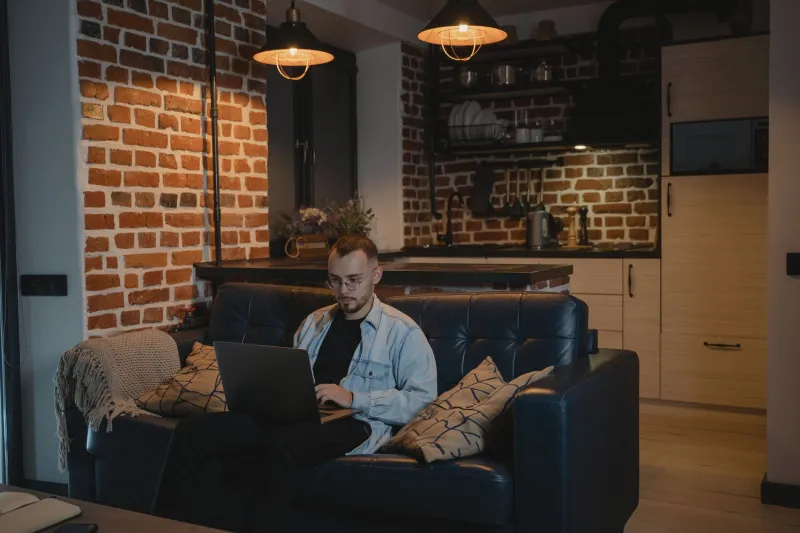
The case for a curfew is strongest in the ordinary UK home: a laptop on the kitchen table, a phone on the sofa, a working day that begins before the sun is properly up. In that setting, the difference between fifteen minutes and ninety minutes is rarely felt at the time. It is felt the next morning.
The performer is not a night-light
Performers set their own schedules. Some work late; some do not. The fact that a room is open at 11pm is not an invitation to treat the performer as available indefinitely. A consent-first viewer reads the advertised hours, respects the stated end of a session and does not send request after request because the viewer is still awake.
This is particularly important in private-session negotiations. A late-night message that says 'just one more' is not a neutral query. It asks a worker to extend a shift after the point at which they may have planned to stop. The same message sent at 8pm, before the boundary, is a different proposition. The clock is part of the context in which consent is given or withheld.
The 9pm threshold, defended
Why 9pm? It is not a universal bedtime, and it is not a magic number. It is simply early enough to leave a buffer between viewing and sleep, and late enough to be useful for viewers who finish work in the evening. For many UK viewers, 9pm is the point at which the evening can still be redirected: a cup of tea, a shower, a chapter of a book, a conversation with someone in the same house. At 11pm, the same choices feel less available.
The threshold works best when it is set before the first room is opened. A rule made at 10.45pm, after an hour of viewing, is not a boundary. It is a negotiation with a more impulsive version of yourself, and that version usually wins.
Set the timer before the first room
Practical measures matter more than good intentions. Set a ten-minute warning for 8.50pm and a hard stop for 9pm. Use your phone's bedtime or do-not-disturb settings so that notifications do not pull you back into the screen. If you use a browser, use a timer extension or a separate browser profile that you close at the end of the session. Log out rather than leaving the tab open. If payment details are stored, decide in advance whether that convenience is helping you or keeping you in the room.
The aim is not to make viewing difficult. It is to make the ending visible. A timer that sounds at 8.50pm gives you time to finish a conversation, close a private session politely or say goodbye in public chat. A hard stop at 9pm gives you a reason to leave that does not depend on willpower at the moment of tiredness.
The one-more-room problem
Live-cam sites are designed to encourage continuation. Thumbnails, recommendations and the promise of another room can make the next click feel small. The one-more-room problem is not a character flaw; it is a design feature. A curfew interrupts the sequence before it becomes a habit.
A useful log-off ritual is unglamorous: close the tabs, clear the session, put the device in another room and write one sentence about what you will do next. The sentence can be as ordinary as 'make tea' or 'set the alarm'. The point is to give the evening a different ending.
When to vary the rule
A curfew should be a default, not a prison. There are legitimate exceptions: a planned session agreed in advance, a weekend with no early start, a performer whose advertised hours are later than your usual threshold. The test is whether the exception was planned or improvised. A planned exception is a decision. An improvised exception is usually the beginning of a new default.
If you break the curfew, do not turn it into a drama. Note what happened, adjust the timer and begin again the next evening. Time boundaries are not a test of purity. They are a practice.
The clock as a form of respect
A 9pm threshold is not an insult to performers who work late. It is a way of ensuring that your own presence in their rooms is deliberate rather than compulsive. It respects their schedules by keeping your requests within the hours they have chosen. It respects your own attention by refusing to let the evening disappear by default. In a consent-first viewing culture, the clock is not an enemy of pleasure. It is one of the conditions that makes pleasure sustainable.