A Regular’s Place: Recognition Without Entitlement in UK Live-Cam Rooms

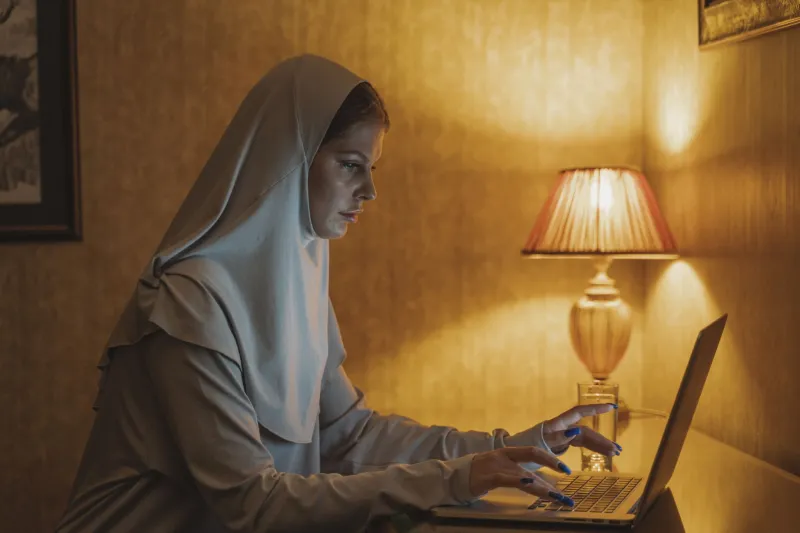
Photo: discreet person using laptop in dimly lit UK living room, over-shoulder view, no face visible, calm evening atmosphere, via m.media-amazon.com
Regularity is one of the quiet pleasures of adult live-cam viewing. A viewer finds a room that suits them, learns the performer’s rhythm, and returns. Over time, a handle becomes familiar, a greeting is exchanged, and the experience feels less anonymous. That is not a problem in itself. KembleCam is an age-gated, consent-first space, and returning viewers are part of its ecosystem. The difficulty begins when recognition is quietly translated into expectation, and expectation into a sense of entitlement.
This is not an argument against becoming a regular. It is an argument for becoming a regular who remains alert to the difference between being recognised and being granted access. In 2026, with UK viewers navigating age assurance, payment hygiene and increasingly explicit consent language, the repeat viewer has a useful role to play: not as a privileged insider, but as a familiar face who makes the room safer rather than smaller.
Recognition Is Not a Key
A performer remembering a viewer’s name is a courtesy. It may reflect good hosting, professional memory, or genuine warmth. It is not a contract. It does not convert a public room into a private one, guarantee priority, or create a right to emotional disclosure. In UK live-cam spaces, the word regular can develop an almost club-like feel, but the room remains a service with boundaries. Consent is episodic: it is given, withheld, revised and withdrawn in the present tense.
Being known by name is therefore a modest form of familiarity. It is not a key to the performer’s time, attention or private life. A viewer who understands this can enjoy recognition without turning it into a claim. A viewer who forgets it may become the familiar problem the performer has to manage.
When Attention Is Shared
A performer may be greeting several regulars at once, watching the chat queue, tracking tips, and keeping an eye on moderation. Direct attention will naturally move. The viewer who notices shorter replies, a return to general chat, or a phrase such as ‘I’m just checking everyone’ should read those cues plainly. They are not obstacles to be overcome. They are signs that the room is being managed for everyone present.
Competitive regulars are a particular strain. Comparing attendance, ranking oneself against other viewers, or attempting to claim a special place in public chat turns recognition into a hierarchy. A better habit is to follow the performer’s lead. If they open a general conversation, join it lightly. If they signal that private invitations are closed, do not test the boundary. If a moderator is present, respect that role rather than treating it as an interruption. In a discreet UK context, good manners are not passive; they are part of consent culture.
The Ledger Fallacy: Months Are Not Consent
The phrase ‘but I’ve been coming here for months’ sounds reasonable because it describes a real history. It is still not a consent argument. Time creates familiarity, not permission. Tips create appreciation, not compliance. A performer may decline a private request, change the tone of a session, or end the evening early, and none of those decisions become unfair because a viewer has been loyal.
This is where a ledger mentality can creep in. The viewer begins to feel owed: owed a greeting, owed a private chat, owed an explanation. That feeling is worth examining before it becomes a message sent in frustration. Payment in a live-cam room buys a service under published terms; it does not buy a person’s compliance. If a viewer senses that they are keeping score, the sensible move is to pause, log off, and return later with a clearer head.
Habits for the Returning Viewer
A respectful repeat visitor does not need a complicated ritual, but a few practical habits help. Re-read the room rules on each return, because they can change. Greet once and then follow the performer’s lead. Keep public remarks in public chat and use only the stated route for private invitations. Treat boundary language as normal housekeeping rather than a personal rebuke. Avoid naming or ranking other regulars. Keep payment and age-assurance details discreet, and do not use support as leverage.
It also helps to take breaks. Familiarity can blur into possessiveness when viewing becomes automatic. A viewer who notices disappointment turning into resentment should treat that as a signal to step back. Leaving quietly at the end of a session, without guilt-tripping or demanding a farewell, is part of the same discipline. The performer’s room should be easier to run because a regular is present, not harder.
Leaving Room for Change
Consent can shift mid-session. A performer may withdraw from a type of chat, close private requests, or simply decide that the evening is over. The regular viewer’s test is not whether they accept this in theory, but how they respond in the moment. Grace here means no bargaining, no repeated requests, and no follow-up across other platforms. It means accepting closure without turning it into a grievance.
KembleCam’s editorial position is straightforward: performers are not content dispensers, and familiarity does not suspend consent. The repeat viewer who understands this becomes part of the room’s quiet infrastructure. They model discretion, they read cues, and they leave space for the performer to change their mind without friction.
A Quiet Standard for 2026
In 2026, UK viewers are rightly expected to think about age assurance, data hygiene and privacy before they think about what they want from a session. The repeat viewer should add another item to that list: humility. Being a familiar face is a modest achievement. Keep it modest. Return because the public room is open, not because you have decided that a seat belongs to you.